
It started with a roar over the Persian Gulf. On February 28, a joint military operation by the United States and Israel marked a terrifying new chapter in Middle Eastern conflict. The strikes targeted Iranian naval assets and missile sites near Bandar Abbas, killing at least four members of the Islamic Revolutionary Guard Corps (IRGC). This isn't just another skirmish; it's widely being reported as the start of an open war between Iran and the Western alliance.
The immediate aftermath has sent shockwaves through global markets. With the flashpoint located dangerously close to the Strait of Hormuz, the world’s most critical energy chokepoint, investors are bracing for volatility. Here’s the thing: this escalation mirrors the chaos of the 1973 Yom Kippur War, where regional conflict instantly triggered a global energy crisis. But wait—there’s more happening on the ground than just naval strikes.
The Joint Operation Details
According to multiple reports, the February 28 attack was coordinated. American and Israeli forces focused on speedboats and missile launchers that had allegedly fired upon a vessel and attempted to lay naval mines near the strait. The U.S. military stated these actions were taken in "self-defense" after Iranian fighters engaged American aircraft.
The precision of the strikes suggests high-level intelligence sharing. Two speedboats were neutralized, followed by an assault on a missile site in southern Iran. While the casualty count is currently low—four IRGC soldiers confirmed dead—the symbolic weight is massive. It signals that the red lines previously drawn in the sand have been erased. The details of who gave the final order remain tight-lipped, but the coordination implies a pre-planned strategy rather than a reactive measure.
Spillover into Syria and Lebanon
But the fighting didn’t stop at the Gulf. In a separate but connected theater, the Israel Defense Forces (IDF) launched a ground and air operation in southern Syria’s Beqaa Valley. The target? An organization called Jamaa Islamiya. The result was brutal: 13 people killed, including women and children according to Syrian authorities.
In a counter-attack, an Israeli convoy came under heavy fire, leaving six soldiers wounded and potentially more casualties unconfirmed. Israeli officials released body-cam footage from the raid, claiming they were dismantling a plot involving Houthi fighters from Yemen. Yes, you read that right. Reports suggest thousands of Houthis may have moved into Syria, coordinating with Hezbollah. If true, this creates a three-front nightmare for Israel: Gaza in the south, Lebanon in the north, and now Syria in the east.

Internal Crisis in Israel
While the external threats mount, the internal pressure cooker is boiling over. Leaked audio from within the IDF reveals a military force pushed to its breaking point. Soldiers describe themselves as mentally and physically exhausted, nearing collapse after months of continuous deployment.
To plug the gaps, the IDF is reportedly preparing a controversial proposal to recruit 700 Jewish youths annually from abroad, specifically targeting communities in the U.S. and France. This desperate move highlights a severe manpower shortage. Meanwhile, public anger against Prime Minister Benjamin Netanyahu is reaching a fever pitch. Protests are growing, and the Knesset (Israeli parliament) has taken steps toward dissolving itself for early elections. The political instability adds a dangerous layer of unpredictability to the command structure.
Global Economic Impact
The ripple effects are already hitting your wallet. Just like in 1973, when the Arab-Israeli war caused oil prices to skyrocket, the current tension around the Strait of Hormuz is spooking traders. Roughly 20% of the world’s oil passes through this narrow waterway. Any threat to its security sends Brent crude futures jumping. Analysts warn that if the conflict expands further, we could see gasoline prices surge globally within weeks.
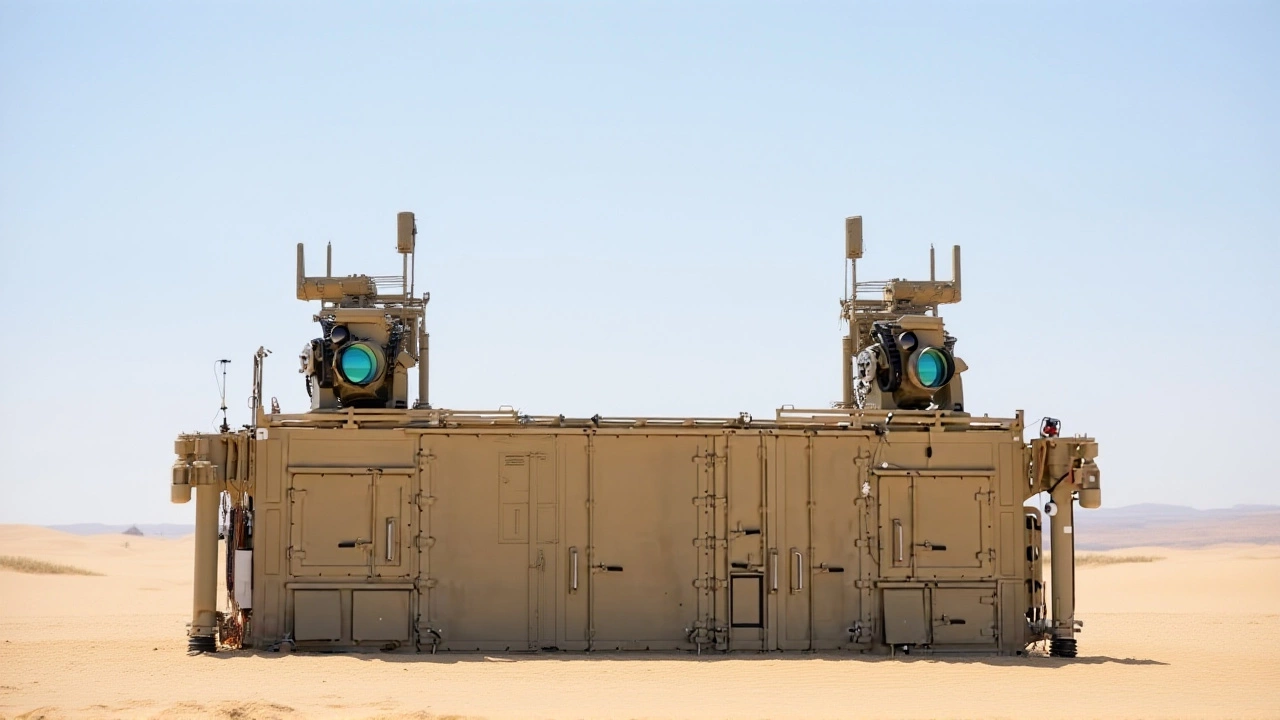
Interestingly, despite rumors circulating online about Israel deploying laser weapons or troops in the UAE, there is zero evidence in credible sources to support these claims. Stick to the facts: the focus remains on Iran, Syria, and the immediate neighbors. Don’t fall for the digital noise.

What Comes Next?
The situation is fluid and dangerous. Iran has not yet responded with a major retaliatory strike, but silence often precedes a storm. Watch for movements in the Red Sea, where Houthi activity could intensify. Also, keep an eye on Washington’s diplomatic channels—are they seeking de-escalation or preparing for a longer campaign? For now, the world holds its breath, waiting to see if this is a contained incident or the opening salvo of a wider regional war.
Frequently Asked Questions
Did the US and Israel officially declare war on Iran?
No formal declaration of war has been issued. However, the joint military strikes on February 28 and the subsequent attacks represent a significant escalation that many analysts are describing as the start of an active conflict phase. Both nations frame their actions as defensive measures against imminent threats.
How does this affect global oil prices?
The proximity of the strikes to the Strait of Hormuz, which handles about 20% of global oil trade, has caused immediate market anxiety. Investors fear potential disruptions to shipping lanes. Historically, similar tensions led to sharp price spikes, so expect volatility in fuel costs worldwide in the coming weeks.
Are Houthi fighters really operating in Syria?
Israeli officials claim that Houthi militants from Yemen are coordinating with other groups in Syria to launch ground operations. While independent verification is difficult due to the ongoing conflict, IDF reports cite intelligence indicating a multi-front strategy involving Hezbollah, the Houthis, and local proxies.
Why is Israel recruiting soldiers from abroad?
The IDF is facing severe manpower shortages and burnout among reservists after prolonged engagements in Gaza and elsewhere. To maintain operational capacity, they are proposing to recruit up to 700 Jewish youths annually from countries like the US and France to fill critical roles in the military.
Is there any truth to the UAE laser weapon rumors?
No. Credible news sources and official reports contain no evidence that Israel has deployed laser weapons or troops in the United Arab Emirates. These appear to be unsubstantiated rumors circulating online without factual basis. Focus should remain on verified developments in Iran and Syria.





Write a comment